Diaspora Beats, Borderless Rhythms
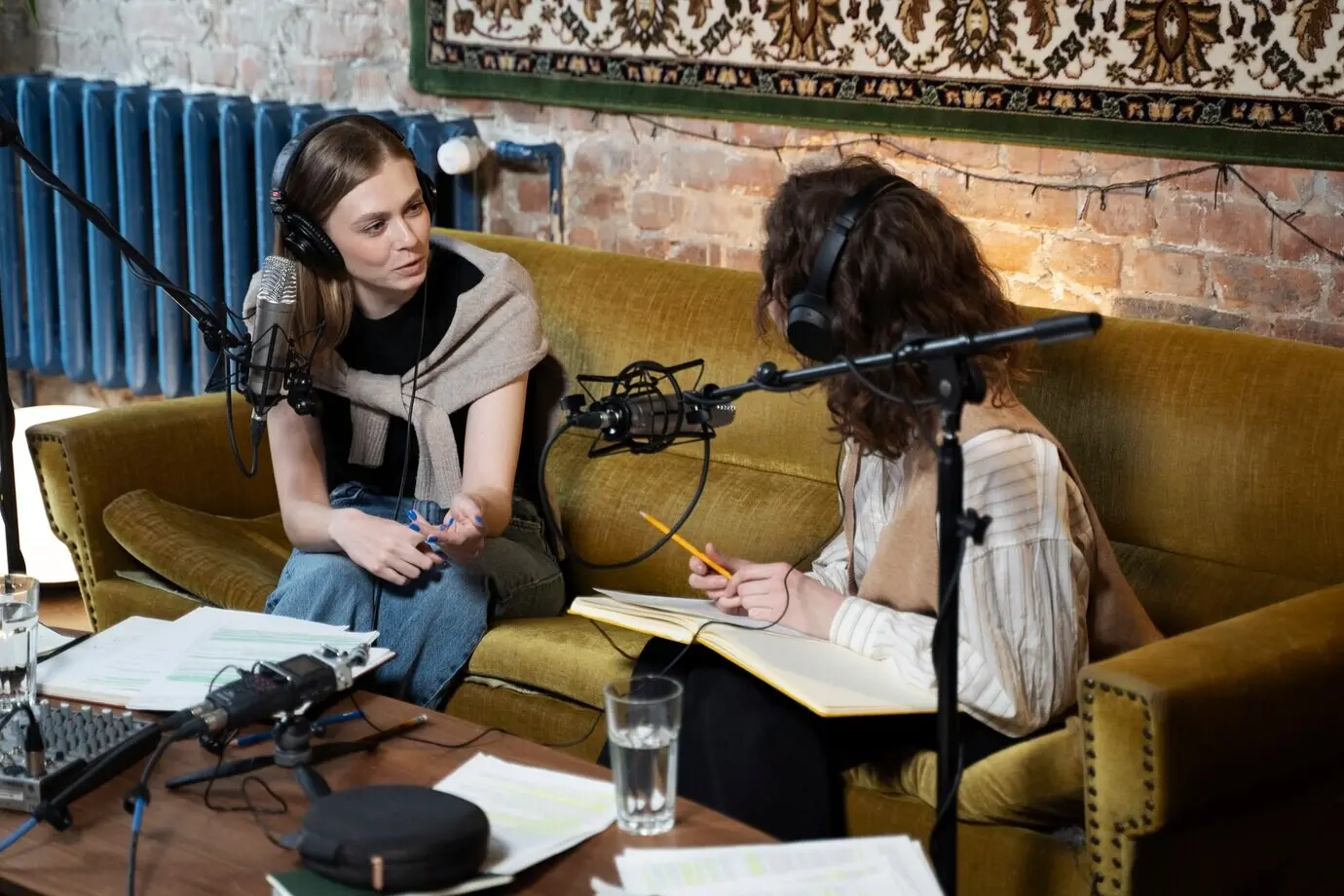
Today we dive into “Diaspora Beats: How Migration Shapes Hybrid Microgenres,” tracing how people on the move bend rhythm, melody, and language into fresh sound worlds. From Lisbon’s batida corridors to London’s Afro-swing anthems and South African amapiano abroad, we explore how journeys reshape basslines, spark unlikely collaborations, and keep memory alive on the dancefloor. Share your favorite tracks, your hometown scenes, or the stories behind a sample, and help us map the living routes where identity, creativity, and community keep inventing tomorrow’s pulses.

Footprints in the Bassline
Rhythms travel with luggage tags, carried in backpacks, hard drives, and heads full of lullabies. The journeys from Caribbean sound systems to British warehouses, or from Luanda neighborhoods to Lisbon suburbs, left imprints that still rattle subwoofers. We follow people, accents, and drum patterns through ports, markets, and midnight studios, watching how distance turns into groove and how communities rebuild home by looping a memory until the room begins to move again together.
Hybrid Microgenres Under the Microscope

Afro-Swing’s Elastic Bounce
In London, young artists braided Afrobeats melodies with UK rap cadences, grime’s percussive snap, and a dancehall wink, creating a supple, sunlit pocket that felt like Friday after exams. Lyrics switched between slang and family languages, mapping friendships as clearly as bus routes. Producers learned to leave space, letting hooks breathe while basslines hug the drums. Afro-swing turned everyday multicultural life into feel-good momentum, proof that the city’s mosaic speaks clearest when rhythm smiles back.
Amapiano Abroad, Breath by Breath
Amapiano’s log drum and airy chords slipped from South African lounges into London rooftops and Berlin studios, carried by touring DJs and cousins studying overseas. The tempo invited conversation, with patient builds that let strangers nod before fully dancing. Collaborations with Nigerian singers and UK rappers showed how tenderness can guide a club, replacing aggression with trust. Suddenly, sunrise sets felt like family reunions, and small gestures—shakers, whispers, brushed hi-hats—became passports to belonging without bureaucracy.
Latin Trap’s Bilingual Voltage
Puerto Rican and Dominican artists in New York and Miami fused trap’s heavy 808s with reggaeton’s swagger, code-switching mid-bar like they do mid-block. The bilingual flip wasn’t a gimmick; it matched daily life where identities overlap. Producers recycled snare patterns from Atlanta while bending dembow into melancholy corridors. Suddenly heartbreak ballads wore diamond grills, and neighborhood stories stretched worldwide. The electric charge came from honesty: letting both sides of the tongue bite and bless simultaneously.
Sampling as Memory, Rhythm as Archive
Every sample can be a keepsake: a taxi horn near a border crossing, a grandparent’s laugh, a marketplace bargaining cry. Producers become quiet archivists, turning field recordings into bass motifs and stitching yesterday’s rooms into today’s headphones. What outsiders call nostalgia often behaves like infrastructure—carrying water, carrying heat, carrying names. In this practice, the waveform becomes a diary entry, and the kick drum writes dates across time zones until the groove spells home in capital letters.
Picture a secondhand laptop balanced on milk crates, a cheap interface, and someone exporting stems while the rice cooker clicks. Headphones leak future classics into the hallway. They drag a voice memo from last summer’s wedding, warp it gently, and line it with handclaps recorded on a balcony. Each click is a decision about identity, money, and time. Perfection matters less than feeling, and the neighbors’ footsteps arrive as accidental percussion that nobody mutes.
A producer tells us their first sample was their grandmother humming a lullaby through a fan in August. Another swears by market recordings where sellers call out fruit varieties like hooks. These are not gimmicks; they are proofs of life that crack open sterile drums and let air in. Tape hiss becomes a blanket, gently warming digital edges. Listeners hear ordinary intimacy and remember that culture grows precisely where chores, tenderness, and rhythm touch.
A track can cross borders faster than its maker, dodging visa backlogs with one upload. That passport isn’t stamped in ink; it is stamped in recognition when someone halfway across the world hears their own street inside your snare. The exchange isn’t extraction, either, when credit and conversation travel alongside the wave. A good beat greets customs polite and confident, declaring nothing to declare except feelings, then opens its case to reveal carefully packed memories.
Dancefloors as Meeting Points
Clubs, community halls, and street parties turn diverse neighborhoods into moving choirs. Sound systems teach interdependence as dancers unconsciously share balance, hydration, and space. The best rooms are multigenerational, with elders nodding patiently while newcomers learn the steps. Between songs, introductions happen that spark labels, friendships, or kitchens where samosas and empanadas trade secrets. A dancefloor can be a planning committee disguised as joy, quietly plotting futures where mutual aid and melody keep the lights on.

Community Radio’s Quiet Revolution
Volunteer-run stations and online broadcasts connect dispersed scenes, letting hosts champion small labels and debut rough mixes that would drown on mainstream playlists. Call-ins weave accents into a sonic quilt, while archives preserve the week’s experiments. The intimacy of a trusted voice at midnight keeps crews motivated after long shifts. Suddenly a distant listener becomes a collaborator, sharing stems, swapping advice, and booking a guest set, proving radio still lights the path for tomorrow’s rooms.

Pop-Up Nights, Long-Lived Bonds
Flyers circulate through group chats and barber shops; a borrowed basement becomes a world capital for six hours. The door policy centers kindness over clout, with staff trained to protect joy. Between sets, organizers introduce local cooks, artisans, and activists, turning admission into ecosystem support. These gatherings rarely make headlines, yet they build the trust required for daring experimentation. Next month, a new microgenre might debut here, disguised as a test track that makes strangers grin.
Craft, Ethics, and Credit
Exchange works best when responsibilities are shared: naming sample sources, splitting royalties fairly, and acknowledging cultural lineages without freezing them. Scenes suffer when gatekeepers hoard power; they flourish when organizers publish budgets, uplift newcomers, and model consent on and off stage. Migration complicates logistics, visas, and taxes, but transparency steadies the ship. With clear credits and honest splits, hybrid microgenres stop being misunderstandings and become living agreements written wherever the kick meets the clap.
Make It Yours
This journey thrives on participation. Share the songs that raised you, the kitchen radios that taught you rhythm, the bus rides where headphones rewired your day. Tell us how migration—yours or a neighbor’s—changed what you dance to and why. We’ll weave your suggestions into community playlists, interviews, and spotlights. Subscribe, comment, and invite a friend who needs a sonic home, because these rooms grow warmer each time another story adds its bright, detailed percussion.